
Possibly more so than any other technology, going mobile has made facility staff’s job easier and more efficient. Here are the benefits of mobile facility technology. Possibly the most significant advance, in terms of its impact on facility staff, is the shift from paper and pagers to handheld tablets and smartphones. The power that facility […]
Category: Facility Management
Understand the BAS’s Role in Facilities Management

The facility management industry has seen significant gains occurring in technology in the past few decades. One example is the migration from work orders tracked on a dry erase board to online service request submissions that auto-assign to appropriate craft or contractors while providing fluid feedback to the customer. Or consider the intricate pneumatic control […]
Emergency Preparedness – A Plan for Failure…
While much of our corporate focus is on catastrophic events that grab headlines, such as active shooters and major storms, not much attention is given to the incidents that affect facilities on a routine basis. Not to minimize the tragedies that result from such events, as we should all remain vigilant in preparation and prevention, […]
FAQs of CMMS
As discussed in the November/December 2017 issue, Make It Click, FM technology has grown by leaps and bounds the past few decades. Maintenance management systems, such as Computerized Maintenance Management System (CMMS) and Integrated Work Management System (IWMS), are no exception. However, when it comes to these applications, many facility professionals are unsure whether or […]
Make It Click – It’s Time to Catch Up with Technology
As found in the November/December 2017 issue of IFMA’s Facility Management Journal (FMJ). The facility management industry has grown by leaps and bounds the past few decades; the most significant being the advance of technology in the built environment. One’s inner geek cannot help but get excited when considering the capabilities available at our fingertips […]
Making Green Equal Green – Selling Sustainability Projects when the Dollars Do Not Pencil
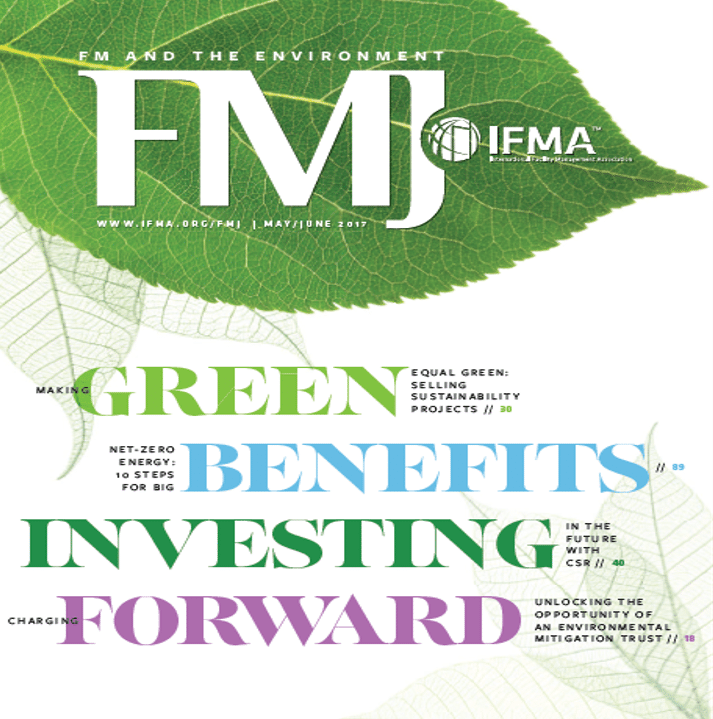
While recovery from the “Great Recession” has loosened purse strings to fund many facility improvements, sustainability projects still have a hard time meeting organizational financial criteria. Most of the low-hanging “green fruit”, such as lighting upgrades, variable frequency drive installation, and economizer tuning, has been harvested, leaving the larger, more costly projects that cannot be […]
The Hand-Off – Planning for Successful Transition from Construction to Operations
As published in the Nov-Dec 2016 edition of IFMA’s FMJ. Consider this: A building is designed, constructed, and turned over to facilities in roughly eighteen to twenty-four months – often launched without adequate testing, training that does not fully prepare engineers, minimal operating parameters defined, and no comprehensive documentation on how to operate & maintain […]
Stretching the Club Maintenance Dollar
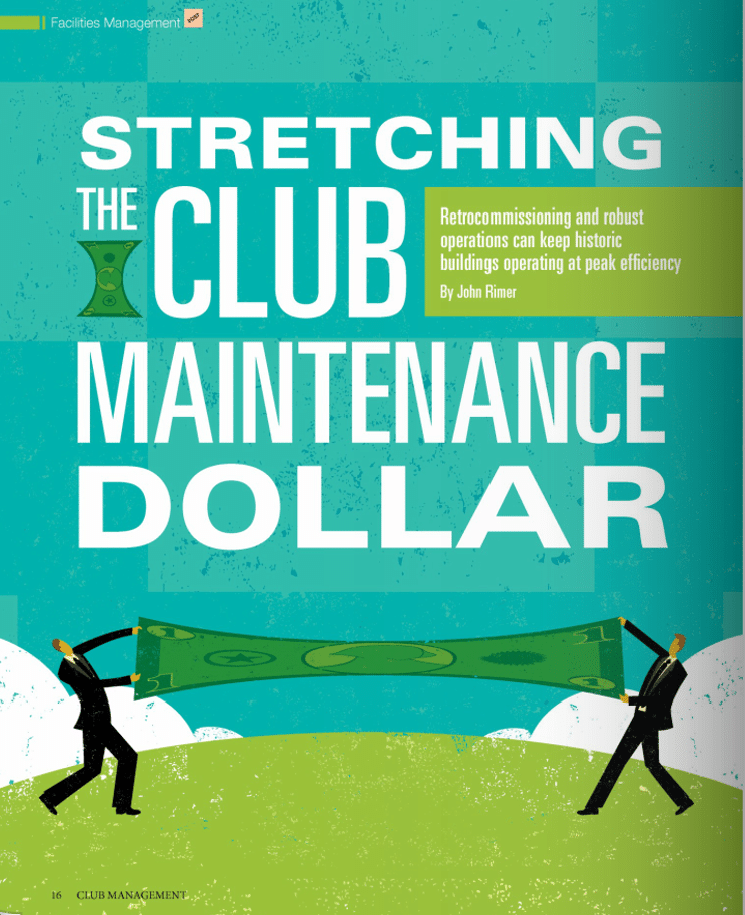
As published in the Fall 2016 edition of Club Management Facility related expenses are typically second only to personnel in costs – for some facilities may be the highest. While this is likely no surprise to those of you that pour over the budget looking for ways to stretch the dollar. However, you may not […]
Digging Out of Deferred Maintenance
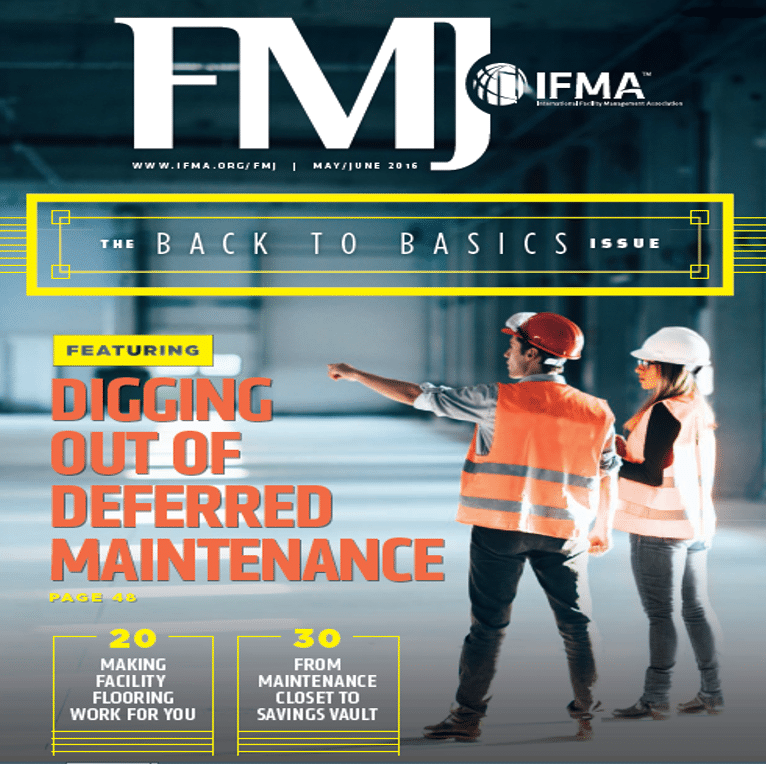
As found in IFMA’s FMJ May/June 2016 Excitedly, the facility industry continues to mature, advancing our stature within our respective organizations. However, one key anchor impeding that progress is the aging infrastructure that exists in many of our facilities and the subsequent reactive maintenance it creates. This reactive firefighting is a drain of valuable personnel […]
From the Grounds, Up – Selling the Value of Facilities
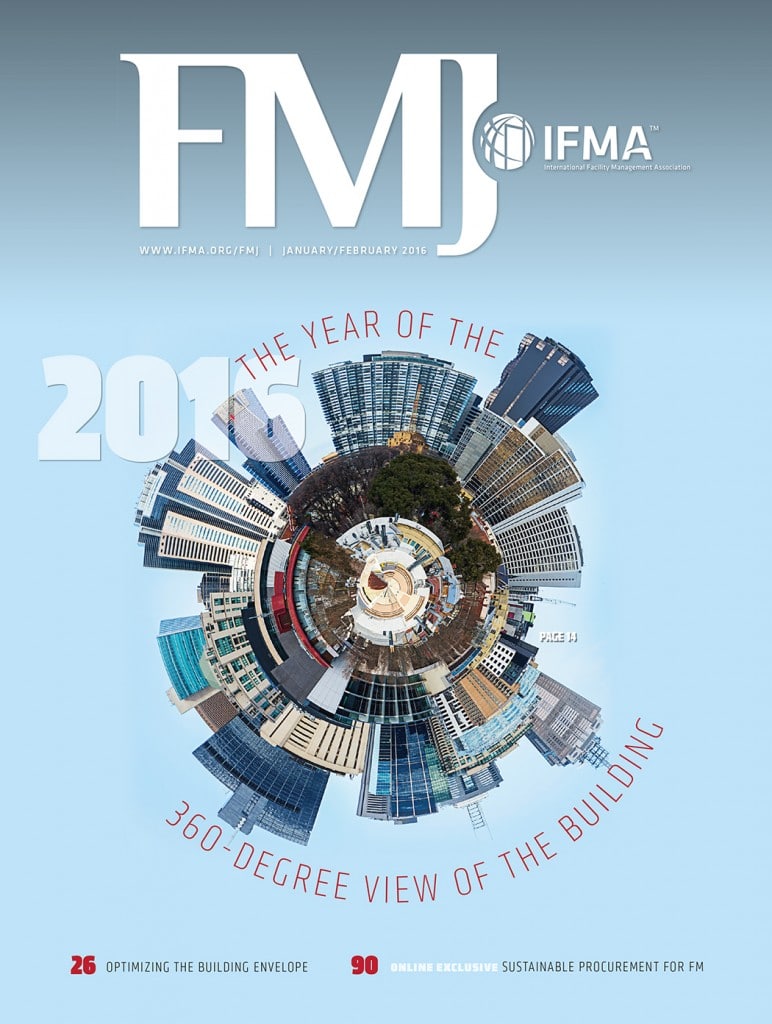
There has been much deserved emphasis on getting facility management to the C-suite, which is necessary for our industry to realize success. However, all efforts expended earning our way to the executive level, can be quickly dashed if facility staff and contractors are not on-board with our initiative. Thus, it is equally imperative that we […]